How to Choose a Niagara Falls Tour That Fits Your Trip
Choosing a Niagara Falls tour is less about finding the biggest itinerary and more about matching the day to your pace, starting point and interests. The falls can be seen from many angles: from above the gorge, from the river, from behind the curtain of water, and from quiet lookout points away from the busiest paths. A good choice makes those options feel simple rather than rushed.
Start with the practical question of where your day begins. Falls attractions sit on both the Canadian and United States sides, and each side has its own access points, viewpoints and border rules. If you are staying in Toronto, a departure from that city can shape the whole day. If you are already near the falls, a local route may leave more time for the actual sightseeing. Work out which side you will be on first, then compare tours that start there.
Set your priorities before comparing routes
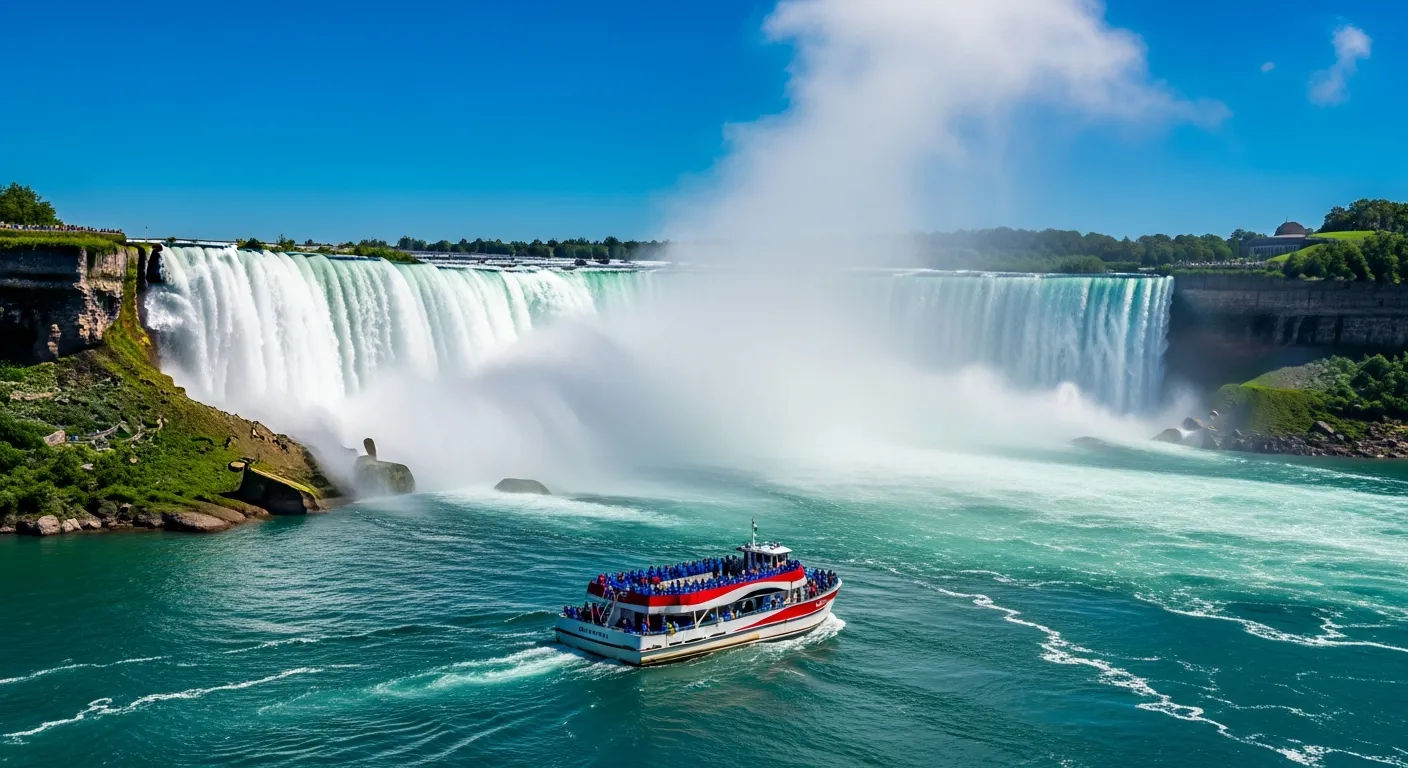
Think about what you most want from the day. Some visitors want the classic views of Horseshoe Falls, American Falls and Bridal Veil Falls. Others care more about boat experiences, tunnels, observation towers, gardens, helicopter views or time at the table above the river. A niagara falls tour that includes every famous stop may look efficient, but it can also turn the day into a sequence of short photo pauses.
Put your priorities in a simple order: scenery, thrill, history, photography, family convenience, or time on your own. This makes it easier to judge an itinerary. If a route lists many stops but gives little time at the main viewpoint, it may not suit someone who wants to linger. If it focuses on one side only, it may miss perspectives that matter to you. The right fit depends on what you would regret missing, not on how many names appear in the listing.
Check the starting point and travel time
Read the meeting details closely. A central pickup can be convenient, but it may add time spent circling hotels before the sightseeing begins. A fixed departure point can be easier to find, though it may require an extra journey to reach. Look at the full span of the day, including travel to and from the falls, not just the time listed for attractions.

Border crossing deserves special attention. Routes that cross between Canada and the United States can require passports or approved travel documents, and processing times can vary. If a tour crosses the border more than once, ask how that affects the schedule. A short sightseeing window after a long crossing may feel disappointing. When a route stays on one side, it can be smoother, but the range of viewpoints may be narrower.
Also consider the direction of travel. A day that starts with a boat ride may feel lively, while one that begins at a lookout gives a calmer introduction. Neither is automatically better. Pick the opening stop that matches your energy level, especially if children, older travellers or tight connections are part of the plan.
Compare what is included in the day
Inclusions are where tours can differ sharply. Some focus on exterior viewpoints and short walks. Others bundle admission to well known attractions, a meal, a boat ride or a visit to a viewing platform. When comparing Niagara Falls Tour niagara falls tour options, read each inclusion as a practical promise about your time. An attraction listed as included may still involve a queue, a timed entry, or a walk from the drop-off point.
Look for the amount of free time as well as the list of activities. A short pause at a major viewpoint may be enough for photos but not for exploring the surrounding paths. A longer stop can be valuable if you want to see the water from several angles. On the other hand, too much unstructured time can feel awkward if you are unfamiliar with the area. The best balance is usually clear enough to picture before the day begins.
Meals and extras can also change the feel of the trip. A meal with a view may be a highlight, while a quick stop may simply break up the day. Check whether food is included, whether there is time to buy it, and whether the schedule allows a relaxed pause. If dietary needs matter, do not assume that a listed meal will work without checking ahead.
Match the tour style to your group
Group size and pace shape the experience as much as the itinerary. A larger group can move slowly at boarding and ticket lines, while a smaller group may feel more flexible. That does not mean smaller is always better. Some travellers enjoy the structure of a full day with a clear timetable, especially in a busy area where transport and entry points can be confusing.
Ask how much walking is involved. Paths near the falls can include steps, slopes, uneven surfaces and wet areas near spray zones. Some viewpoints are easier to reach than others. If anyone in the group has limited mobility, look for routes that state accessible stops clearly and avoid relying on a single steep viewpoint. Comfortable footwear matters even on a short route, particularly when spray or rain makes surfaces slick.
Families may prefer a day with clear rest points and simple transitions. Photographers may prefer early light, longer stops and time away from crowded railings. Couples may enjoy a slower route with scenic pauses. No single format serves every purpose, so judge the style against the people travelling rather than against a general idea of what a falls trip should be.
Read the timing with care
Start and finish times are easy to skim past, yet they affect the whole day. Compare them with your hotel checkout, flight, train or other plans. A tour that finishes late may be fine if you have a relaxed evening, but risky if you need to catch a connection. A morning route may be quieter at popular viewpoints, while an afternoon route may suit travellers who prefer a slower start.
Season also changes what the day feels like. Warm months bring more daylight and busier paths. Colder months can bring mist, ice formations and shorter daylight. The falls run year round, but surrounding attractions and routes may operate on different schedules. Niagara Falls Tour niagara falls tour research should include the date of travel, not just the list of stops, because conditions at the river can change how long certain viewpoints remain comfortable.
Weather is worth checking close to the day. Wind can push spray across walkways, and rain can reduce visibility. A tour with several outdoor stops may still be enjoyable, but waterproof layers and sensible shoes make a difference. If the route includes a boat experience, seasonal operation and water conditions can affect availability. Confirm what happens if an included activity cannot run, so the rest of the plan still makes sense.
Look closely at the fine print
Before choosing, read cancellation terms, document requirements, pickup notes and any age or mobility restrictions. These details are not the exciting part of planning, but they prevent avoidable problems. A route that seems perfect can become difficult if the meeting point is hard to reach or if required documents are missing.
Check how the day handles changes. Weather, border queues and attraction schedules can all shift the order of stops. A clear explanation of what may change helps you judge whether the tour is flexible enough for your plans. Be cautious of itineraries that promise exact timing at every stop without allowing for real delays.

Finally, compare the overall value rather than the longest list. A focused itinerary with generous time at the falls may be more satisfying than a packed day that barely lets you take in the scale of the water. Consider transport, included entries, guided context, free time and the ease of getting to the starting point. When those pieces line up with your priorities, the choice becomes much clearer.
Make the decision with a simple final check
Once you have a shortlist, picture the day from morning to finish. Where do you meet, what documents do you carry, how much walking is involved, and when do you return? Then compare those answers with the parts of the falls you most want to see. A good niagara falls tour should feel realistic before it begins, not just impressive on paper.
One last practical step is to keep your plan adaptable. Leave room for a slow lunch, an extra viewpoint, or a quiet moment by the river if the schedule allows. The falls are striking from a distance and even more absorbing when given time. Choosing well means protecting that time, not filling every minute around it.